Skip to product information
1 of 4

Emotional Intelligence and Self-Regulation for Kids (6-10) - Includes WebBased Activities

Emotional Intelligence and Self-Regulation for Kids (6-10) - Includes WebBased Activities

Regular price Rs.1,200.00 PKR
Sale price Rs.1,200.00 PKR Regular price Rs.1,500.00 PKR
OFF Sold out
Shipping calculated at checkout.

Estimated deliver: calculating...

✨ FREE DELIVERY Orders above 2,800 PKR
  • American Express
  • Mastercard
  • Visa
View full details
Enquire Now

Our signature product

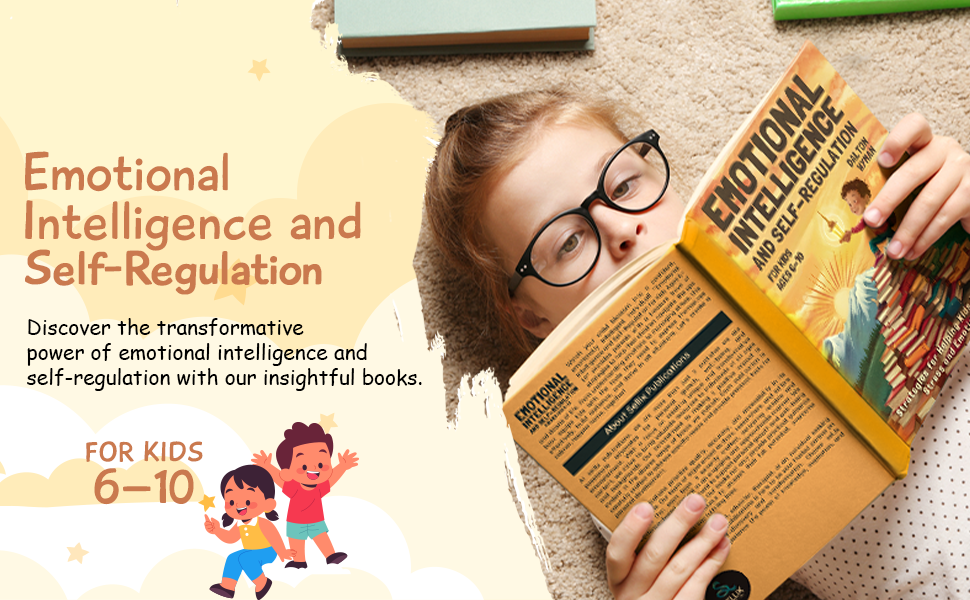
An easy-to-use workbook for kids ages6–10, packed with 45+ activities that build emotional intelligence and self-regulation. Kids learn to identify feelings, calm themselves, handle stress, and grow emotionally strong.

Why it should be your kids next Book?

Boost your child’s emotional strength with this powerful workbook designed for ages6–10. Packed with45+ engaging activities, it helps kids handle stress, control emotions, reduce tantrums, and build real confidence. A must-have for parents who want calmer, happier, emotionally smart kids.

Raise Emotionally Strong Kids

Description

Emotional Intelligence and Self-Regulation for Kids Ages 6–10: Strategies for Helping Kids Manage Stress and Emotions.

Emotional intelligence (EI) in children involves the ability to recognize, understand, and manage their own emotions, as well as empathize with the feelings of others. Teaching kids about different emotions and how to express them appropriately helps build their EI. Activities like role-playing, storytelling, and open discussions about feelings can enhance their emotional awareness and empathy.
Self-regulation is the ability for kids to manage their emotions, thoughts, and behaviors in different situations. It involves skills like impulse control, stress management, and the ability to delay gratification. Parents and educators can support self-regulation by creating structured routines, setting clear expectations, and modeling calm and controlled behavior. Encouraging mindfulness practices and problem-solving strategies also helps children develop strong self-regulation skills.
Social development also includes appreciating and respecting diversity. Exposing children to different cultures, traditions, and perspectives helps them develop empathy and inclusivity. Discussions about differences and similarities among people foster an environment of acceptance and mutual respect.